
1200+ reviews
30-50 faster payments
Accounts receivable management powered by AI
Log in
Choose your country

What is creditworthiness?

Person
Image

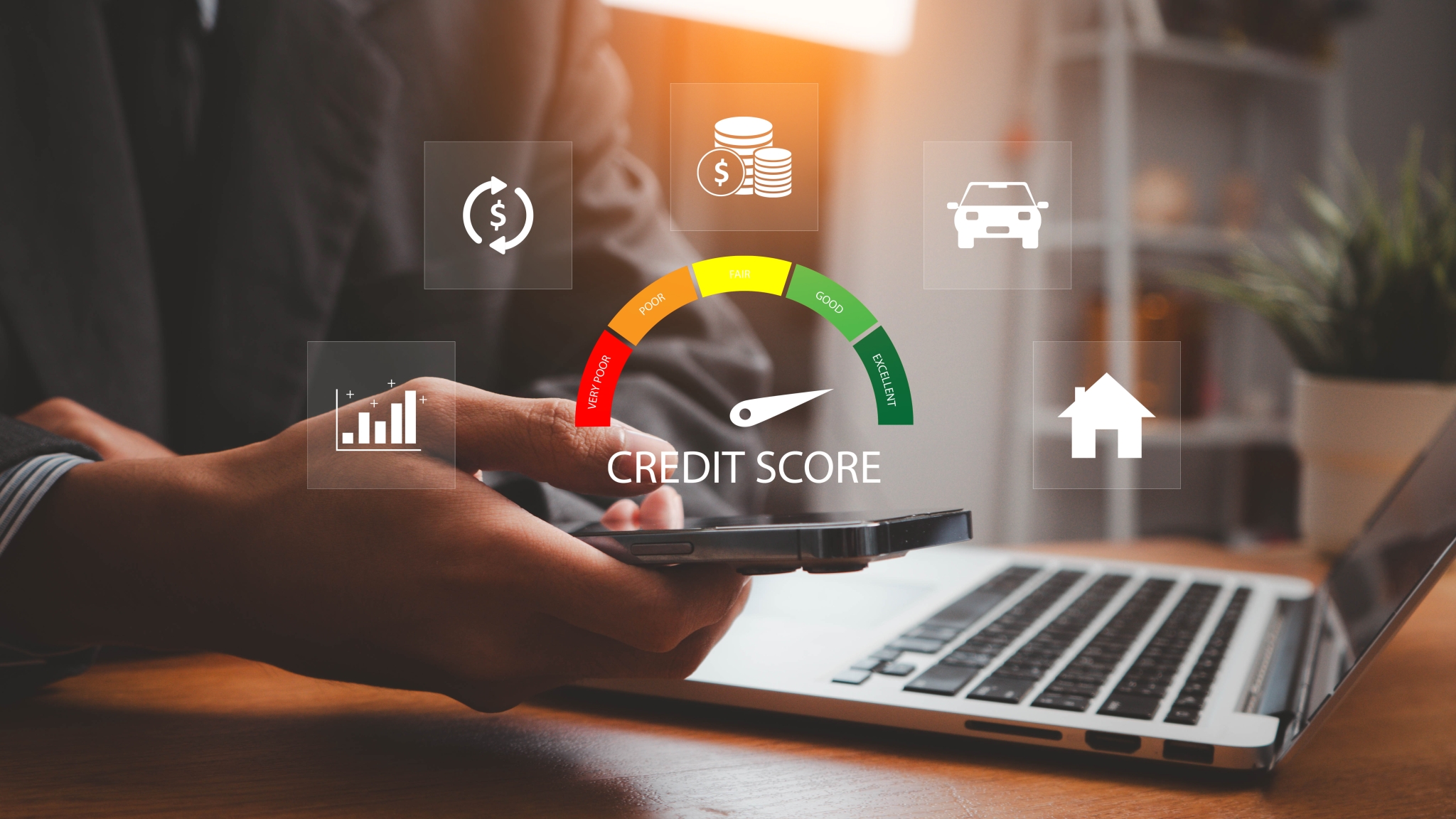
Creditworthiness indicates the extent to which a person or organisation is able to meet its financial obligations. Simply put: can a party pay its outstanding invoices on time? The higher the creditworthiness, the greater the likelihood that payments arrive when expected.

Table of contents:

The meaning of creditworthiness

For businesses that invoice their customers, the creditworthiness of debtors is a crucial factor. Every invoice you send carries a risk: what if your customer is unable or unwilling to pay? A solid assessment of your debtors’ creditworthiness helps you limit that risk.

How is creditworthiness determined?

The creditworthiness of a company is determined by various financial indicators. The most important are:

  • Solvency: Indicates whether a company is able to pay its debts in both the short and long term. The greater the equity in relation to the total assets, the better the solvency and thus the creditworthiness.
  • Liquidity: Indicates whether a company has sufficient liquid assets to meet its short-term debts. If a company has little readily available cash, its continuity may be at risk.
  • Profitability: A company that consistently makes a profit generally has a stronger financial position and therefore a higher creditworthiness.
  • Payment history: The payment history of a debtor is a good indicator. Does a customer always pay on time? Then it is likely that this will continue in the future.

Why is creditworthiness important for your organisation?

As a business owner, you want your invoices to be paid. A single large unpaid invoice can have significant consequences for your cash flow and even the continuity of your organisation. It is therefore wise to keep a close eye on the creditworthiness of your customers and debtors, especially with new customers or large orders.

A timely creditworthiness check helps you to:

  • make better decisions about who you do business with
  • limit payment risks before they become a problem
  • set up your debtor management more effectively

How to check a debtor’s creditworthiness?

There are several ways to assess the creditworthiness of a customer or debtor:

  • Companies House: Through Companies House, you can access annual accounts and basic company information. This provides insight into an organisation’s financial situation, such as equity and debt levels. Keep in mind that you need to be able to interpret this data correctly.
  • Own network and online research: See if anyone in your network has previously done business with the debtor in question. Online reviews and company information can also provide an initial impression of a party’s reliability.
  • External credit assessment: For a more comprehensive analysis, you can use an external party, such as a commercial information agency or a credit insurer. These parties have extensive databases and can provide a detailed picture of a company’s creditworthiness.
Image

By Xindu Hendriks

Xindu is an expert in digital strategy and accounts receivable management at Payt. She is known for her analytical approach.

Share this article

Lightbox Image
Remove Cookie